


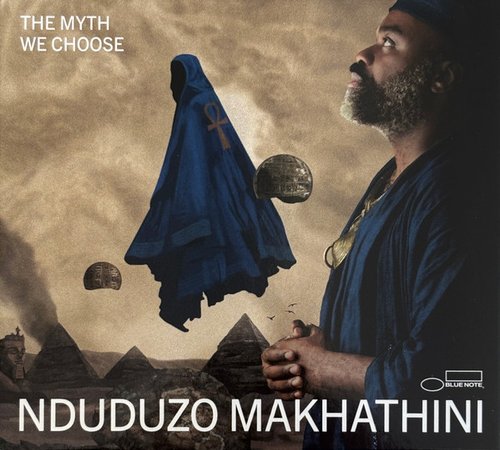
Artist: Nduduzo Makhathini
Album: The Myth We Choose
Genre: Spiritual Jazz, Afro-Jazz, Post-Bop
Label: Blue Note
Released: 2026
Quality: FLAC (tracks+.cue)
Tracklist:
01. Kuzodlula (feat. Robin Fassie) (4:43)
02. Imvunge KaNtu (3:01)
03. Kwamabili (3:10)
04. Unembeza (4:24)
05. Liyoze Line Nangakithi (feat. Shabaka Hutchings) (4:26)
06. What People Say (feat. Omagugu) (3:05)
07. Primordial Egg (feat. Ayanda Sikade) (2:31)
08. Ekuqaleni (2:16)
09. Linwalo la Mubebi (feat. Muneyi) (6:22)
10. Umbono (feat. Keenan Ahrends) (5:02)
11. Linwalo la Mubebi (Reprise) (feat. Muneyi) (2:40)
12. Tethered (feat. Thando Zide) (5:37)
13. Ongaphesheya (2:48)
14. What People Say (Reprise) (feat. Black Coffee, Omagugu) (6:24)
15. Kozodlula (Reprise) (2:26)
16. Zimthilili (5:08)
DOWNLOAD FROM FILECAT.NET >>>
South African pianist, composer, and healer Nduduzo Makhathini makes a highly original music that revels in and extends the South African jazz tradition into modernism. His recorded explorations and experimentations utilize modal, post-bop, and spiritual jazz; Zulu and township folk; gospel; indigenous rhythms; cosmology; and spirituality. The Myth We Choose, his fourth Blue Note album, explores new rhythms, sounds, grooves, and textures in reflecting deep culture, humanity, and spirituality. The 16-track, 63-minute set was co-produced by his 18-year-old son, Thingo Makhathini, whom he credits with slippery beats and atmospheric electronics. Makhathini is accompanied by his trio -- double bassist Dalisu Ndlazi and drummer Lukmil Perez -- and invited guests including trumpeter Robin Fassie, flutist Shabaka Hutchings, drummer Ayanda Sikade, guitarist Keenan Ahrends, producer and DJ Black Coffee, and vocalists Muneyi, Thando Zide, and spouse Omagugu, his longtime musical collaborator. This music is accessible, and it's an elegant, joyful, and poignant set that balances earthly and heavenly considerations.
Opener "Kuzodlula" juxtaposes piano, trumpet, bowed bass, whispering percussion, and Makhathini's singing voice in delivering a gentle yet consequential song of forgiveness to the unforgivable. The pianist multi-tracks his voice in providing a sensitive backing chorus. "Imvunge KaNtu" finds the trio engaging in knotty post-bop juxtaposed against an original chant and syncopated handclaps from the trio. "Umbeza" comes right out of the Abdullah Ibrahim-Bheki Mseleku tradition of South African jazz. Its gospelized choruses flow into songlike harmony and rhythms. Album highlight “Liyoze Lind Nangakithi" is a hymn to rain with Hutchings improvising between the pianist and bassist framing him with modal blues. "What People Say" also revels in jazz blues between pianist and bassist while Omagugu soars above in improvisation. The wildly adventurous "Ekuqualeni" is a Zulu creation myth. Its intersection of post-bop and liturgical music finds Makhathini expanding his own approach using a vocoder and electric keyboards to flavor his percussive piano. "Linwalo la Mubebi" was co-composed by the Makhathinis and features vocalist Muneyi, who tenderly sings about fatherly love atop a woody, formidable bass and a gently swinging melodic piano. "Umbono" is a visionary if gently hypnotic tune that weds post-bop and contemporary jazz, with Makhathini's layered vocals exhorting us to see the interconnected life beyond material form. The trio explore and blend acoustic and electronic instruments with breathtaking guitar work from Ahrends. "Linwalo la Mubebi" gets a brief reprise with a more assertive vocal. Zide leads the band on "Tethered," which blends contemporary jazz and neo-soul under a sensual lyric that addresses our collective inability to measure emotional entanglement against true love. "Ongaphesheya" is a trio exercise in spectral post-bop. Set closer "Zimthilili" makes use of lilting electronics and organic and synthetic beats (Sikade plays drums) in a trio setting. Makhathini's aching (multi-tracked) vocal relates a story about true love requiring rehearsal. Its circular hook is soulful and sweet. Ultimately, The Myth We Choose is a gorgeous 21st century hymnal that soothes and informs on physical and spiritual levels, and which aims at a reimagining of what can be achieved by humans in true societal collaboration.
Review by Thom Jurek